How I became interested in this work
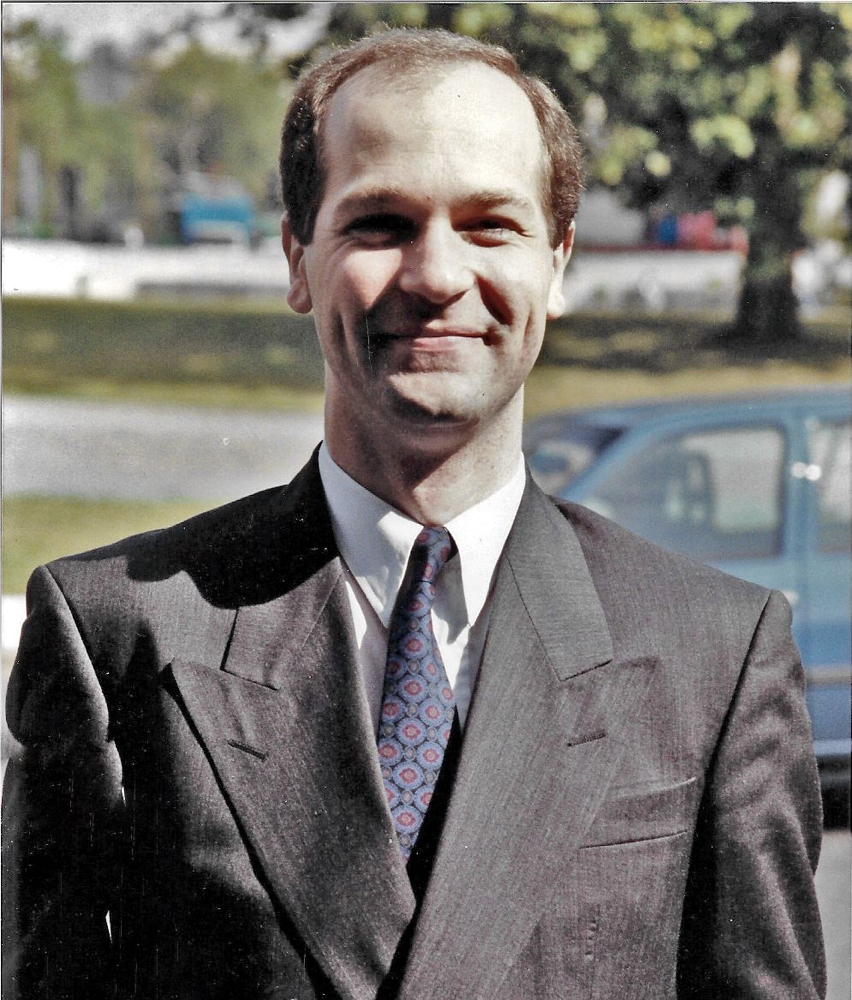
In my early twenties I won my large employer’s national development programme. It was a big deal and my ‘prize’ was a significant promotion to an operational leadership job. I was almost out of my depth, just about hanging in there for a few years, coming home late at night and sometimes falling straight asleep still dressed in my suit and coat. I made plenty of mistakes.
But I felt absolutely, brilliantly alive.
I became fascinated by how people organise, prioritise and decide to work together on complex tasks. By what makes individuals and teams fulfilled and sustained.
Later, I became even more fascinated by those times when things aren’t easy, smooth or harmonious at work, and how we deal with that.
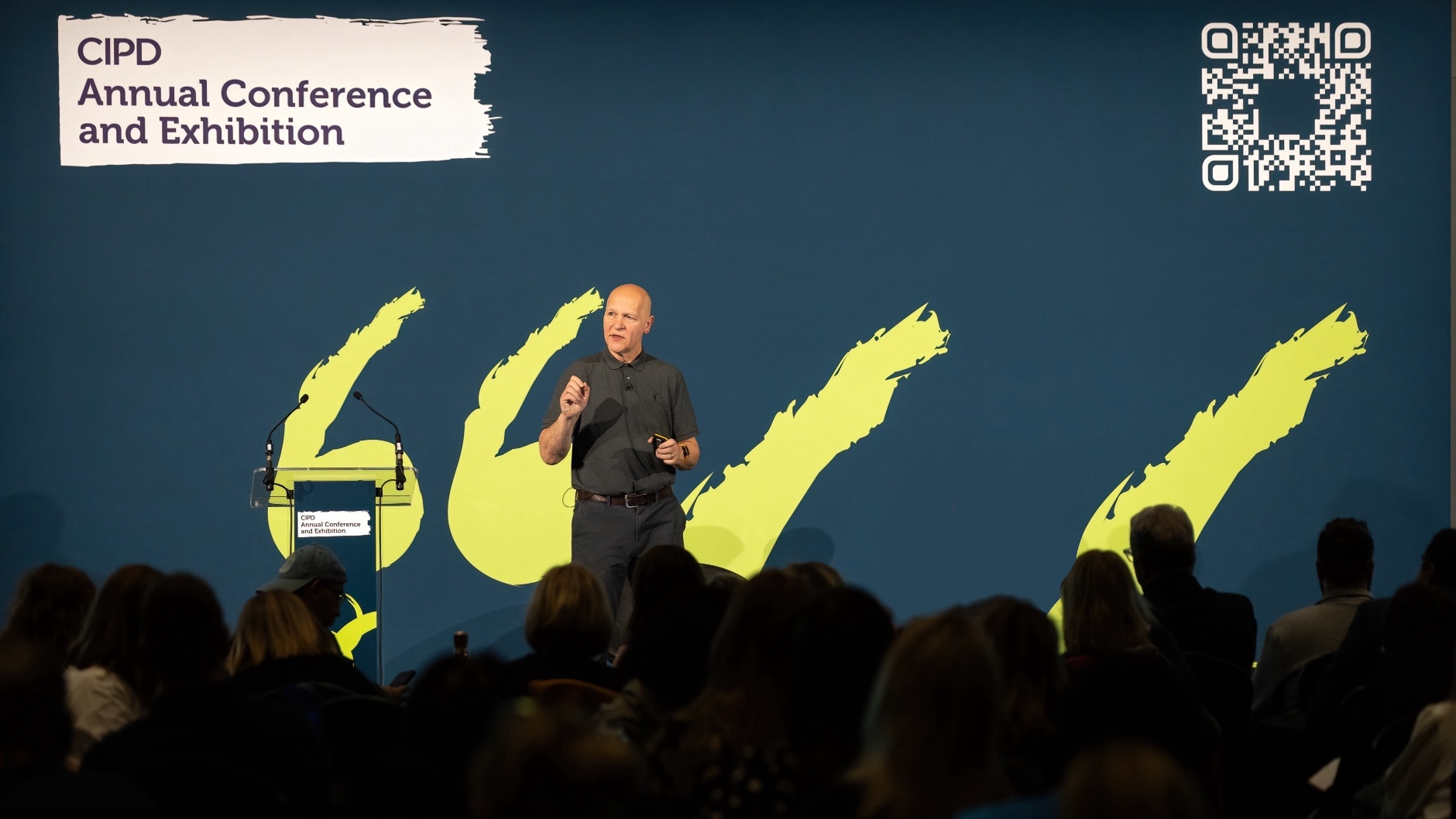
That curiosity eventually led me into coaching. I’ve now been coaching leaders and teams for more than twenty-five years.
From difficult people to difficult dynamics
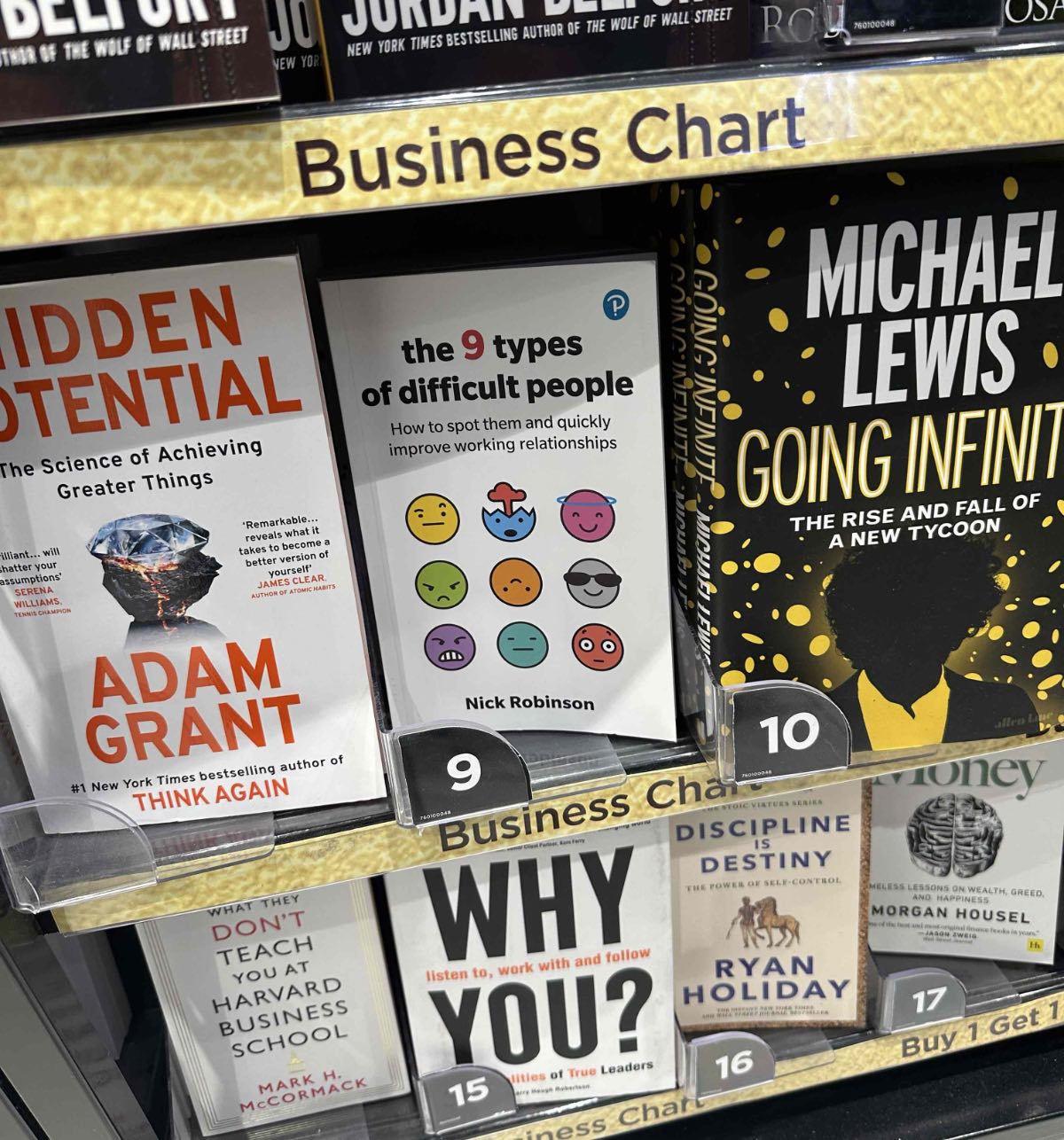
A lot of that work has involved helping people deal with demanding situations at work, or relationships that have become strained or difficult. My book, The 9 Types of Difficult People, grew out of that work. It explores what often sits behind behaviour that gets labelled as “difficult”, and how understanding those dynamics gives people more choice in how they respond.
Over time another pattern became clearer to me.
Difficult dynamics don’t just live inside individuals. They play out inside systems. And the system with the greatest impact on everything else in an organisation is the senior leadership team.
How that team handles tension, challenge and accountability quickly becomes the cultural reference point for everyone else. What gets challenged. What gets avoided. What becomes normalised.